билеты
+7 (495) 629 37 39
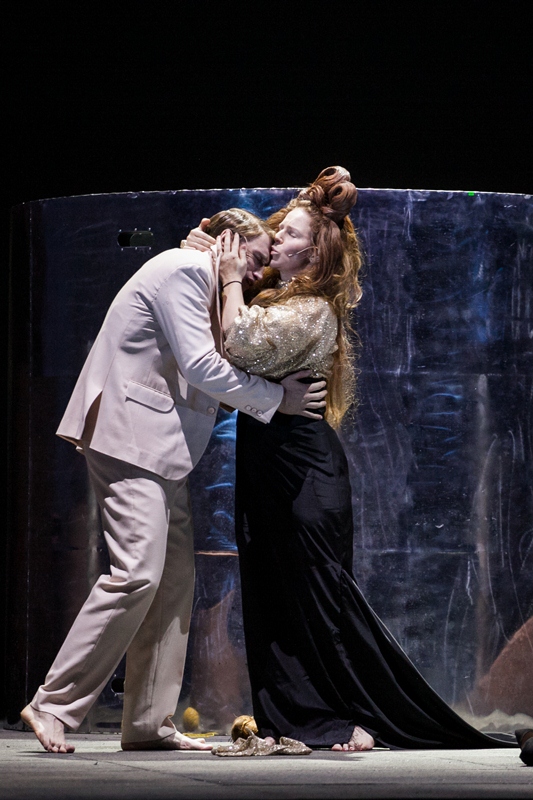
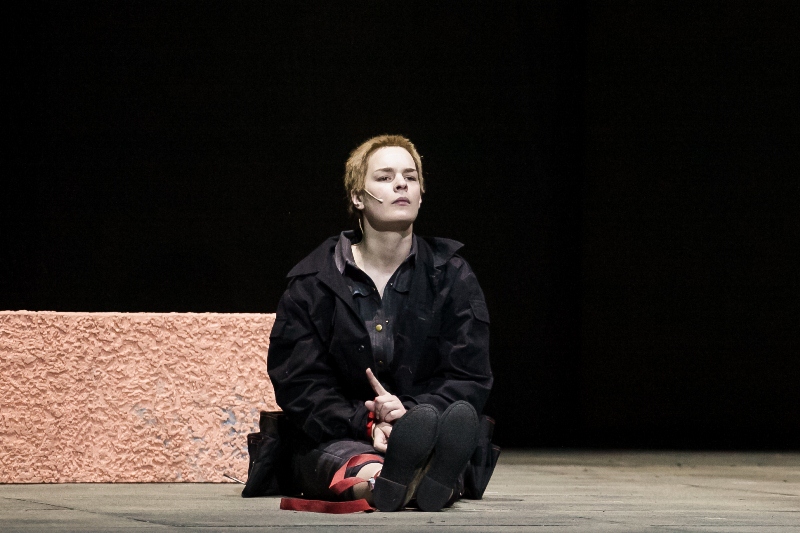
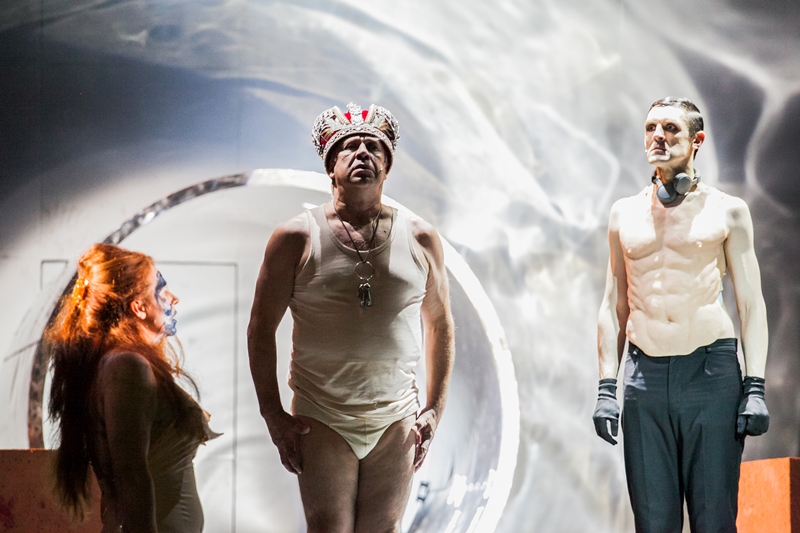
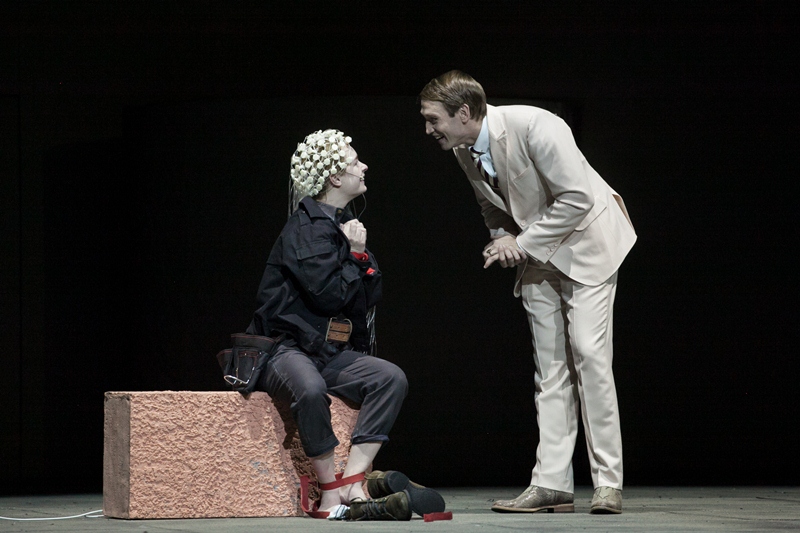
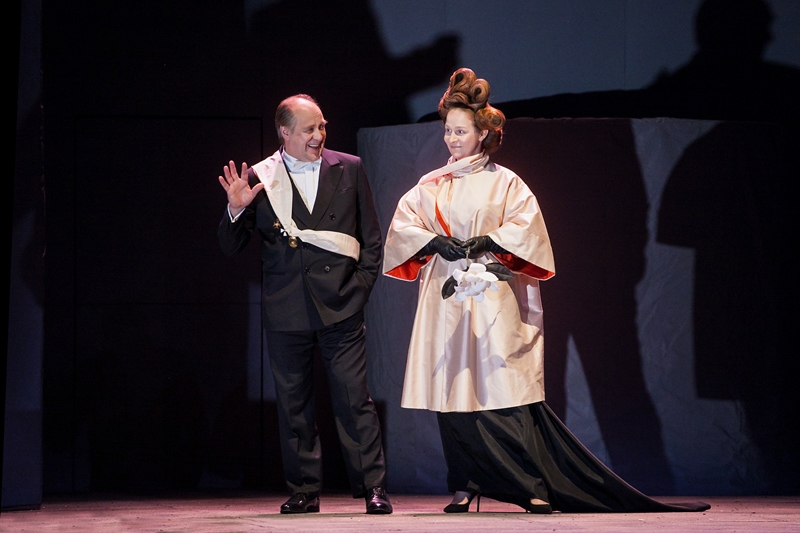
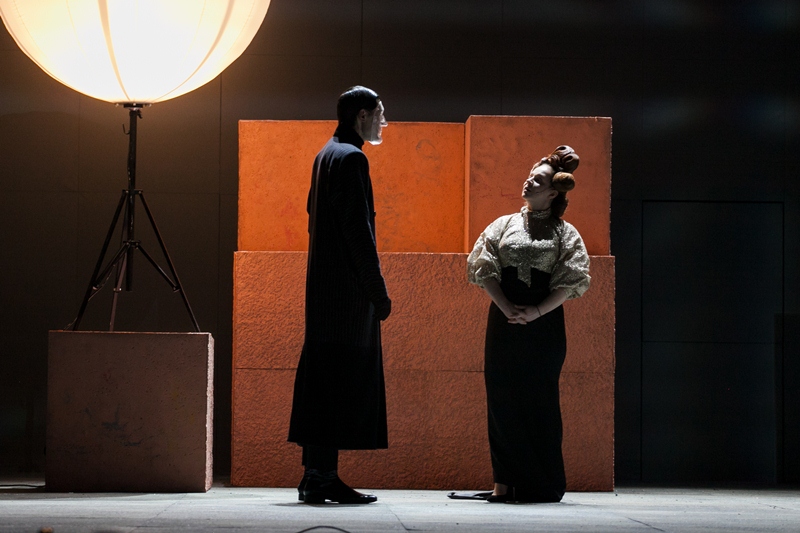
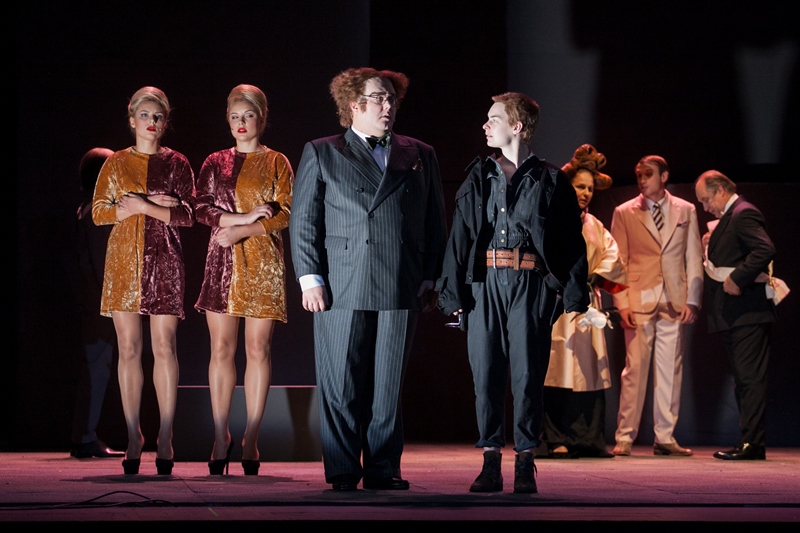
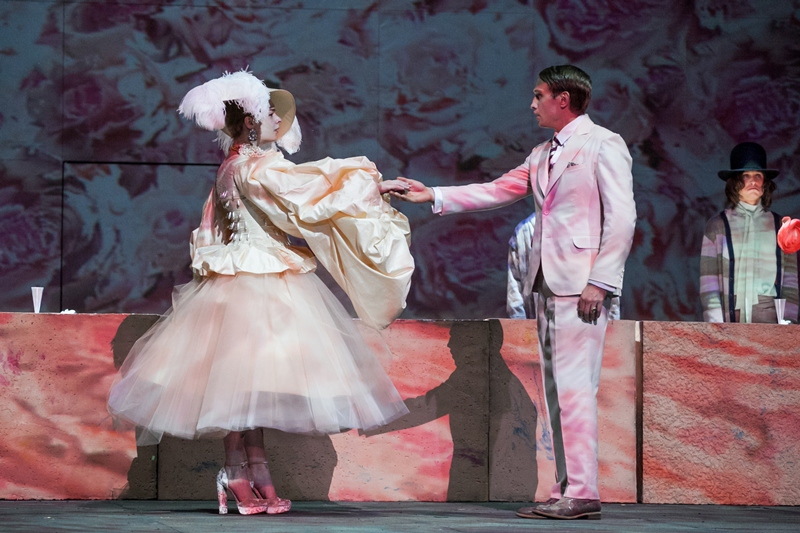
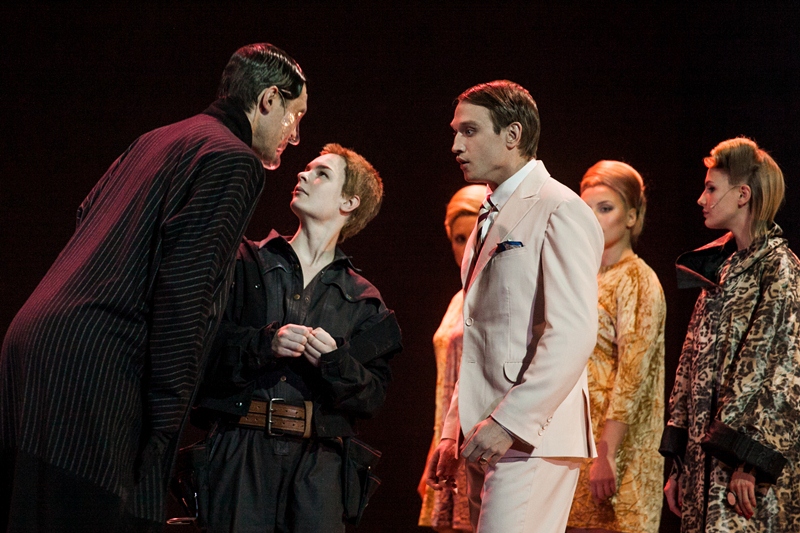
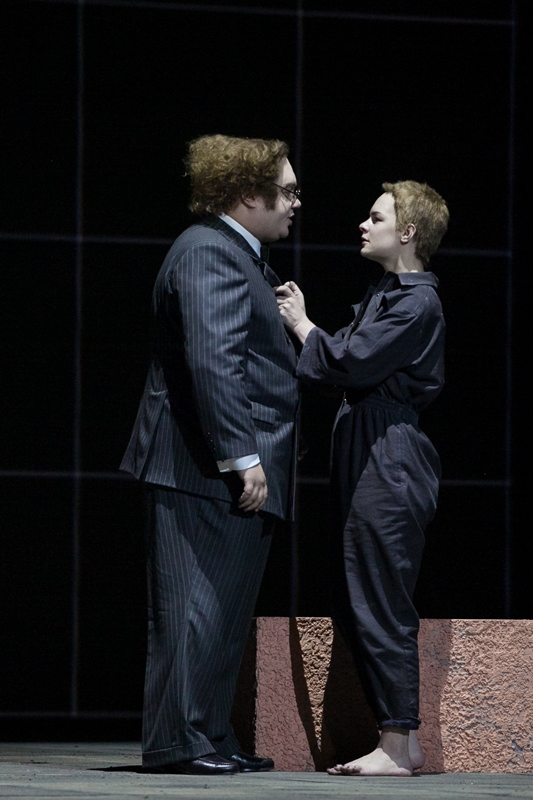
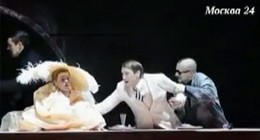
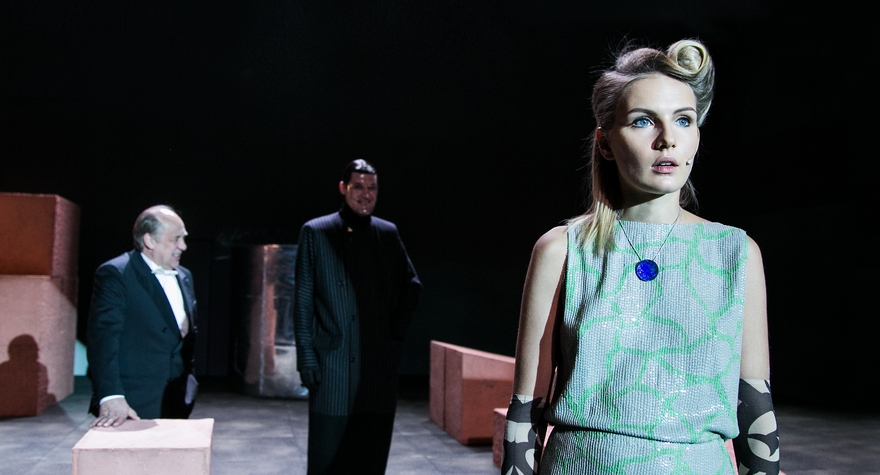
"Ivona, Princess of Burgundia" is a performance directed by Grzegorz Jarzyna, based on a play written by Witold Gombrowicz, one of the most important European playwrights of the first half of the twentieth century, a forerunner of existentialism and the Theatre of the Absurd.
For the first time the eminent Polish director will work with the Russian actors.
The play by Gombrowicz, published one year before the outbreak of the Second World War, oscillates between comedy and psychological thriller. It is a grotesque story about a fictional family whose conventional life gets disrupted when Ivona, an introverted girl, appears on the stage. Even though during the whole performance Ivona, the title heroine hardly utters a few words, her silent presence causes a revolution in the family, breaking conventions, revealing hidden secrets and bringing the family to the brink of collapse.
Grzegorz Jarzyna, in his performance, will focus on the conflict between the system of social standards and prohibitions versus freedom of an individual. The character of silent Ivona stands for a metaphor of a rebellion of a helpless man, who cannot and doesn’t want to live in the imposed system.
I don’t understand why people do not develop over the centuries – says the director. Technology and civilization are the elements of constant and rapid evolution and one may expect that we should therefore be more experienced and much closer to the essence of human being. Yet in reality we seem to be lost in this system.
Jarzyna reads the play through the whole history of the playwright family, for whom the prototypes of his characters were people from his life and his childhood. The action of the play will take place in the open, minimalist space; the director also intends to mainly accentuate the text of Gombrowicz saturated with various meanings and the interaction between the actors and the audience. Likewise Jarzyna’s other performances, also "Ivona, Princess of Burgundia" will be immersed in the contemporary aesthetics in order to emphasize the fact that over the centuries the social problems haven’t changed and human relationships haven’t evolved. Director’s utmost attention will be dedicated to the cast and to the auditions. Working with the actors is based to a large extent on the constant dialogue and improvisation – the director never implies the final shape of this or another scene, leaving the actors the freedom to fill in the action with their own emotions and feelings, as long as they are not in contradiction with the general concept and they do not go beyond the framework of the dramatic “truth”.
I don’t like the so-called “art of acting”. For me more important is the fact that the acting is tangible, like in a movie. The audience always feels when the actor just plays and when he or she is just himself/herself. There’s enough of lies in theatre anyway. The clash of the actor’s ego and the director’s ego belongs to the twentieth century. Nowadays it is important to be immensely honest on stage. (Grzegorz Jarzyna, director)
Grzegorz Jarzyna is one of the most important directors of contemporary European theatre. He’s been the artistic director of TR Warszawa for many years. TR Warszawa is one of the leading European avant-garde theatre groups. Jarzyna has directed performances in Berlin, Paris, London and Hong Kong among others. In New York his performances were staged in St. Ann’s Warehouse and Brooklyn Academy of Music (BAM). His performance "Macbeth: 2008” was staged on the outdoor stage under the Brooklyn Bridge with the sound transmitted to the audience via headphones. Apart from New York he has also directed in Pittsburgh and UCLA Live Festival in Los Angeles. He has collaborated with distinguished musicians and composers, including Krzysztof Penderecki and John Zorn. Scenography will be designed by an outstanding visual artist Piotr Łakomy. The cast will include a number of well-known Russian theatre and film actors.
Partner of the project - Mikhail Prohorov Fond

Partner of the project - Instytut Adama Mickiewicza

Produced in collaboration with Polish Institute in Moscow

Coproduction with TR Warszawa

Partner of the project